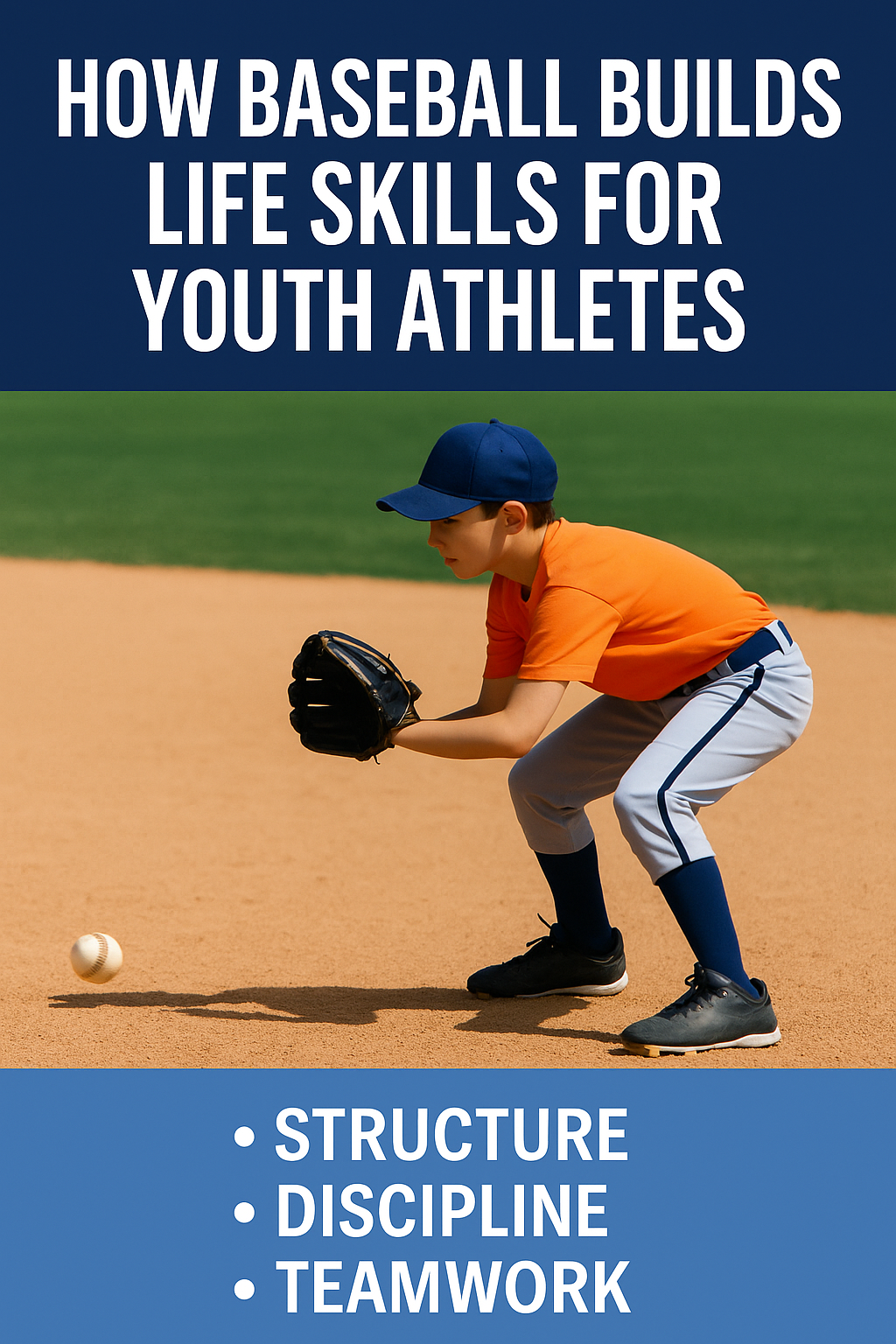
For generations, baseball has been more than just a game — it’s been a teacher. From the moment young players lace up their cleats and take the field, they’re not only learning how to swing a bat or catch a fly ball — they’re learning discipline, teamwork, focus, and responsibility. These are lessons that stay with them long after the final out.
For youth athletes, baseball offers something profoundly valuable: structure. It gives young people a sense of rhythm, purpose, and accountability, while helping them develop the life skills they’ll need for future success — both on and off the field.
Let’s explore how the discipline of baseball shapes strong character, builds confidence, and prepares young athletes for life’s challenges.
⚾ 1. Structure and Routine: The Foundation of Growth
Baseball teaches the importance of structure from the very beginning. Practices, games, and drills all follow a routine — and that consistency helps young players develop discipline and time management skills.
From showing up on time to following warm-up sequences and executing plays, baseball requires commitment and focus. Over time, this structured environment helps youth athletes understand the value of preparation, consistency, and persistence.
That same structure translates directly into everyday life. Whether it’s keeping up with schoolwork, maintaining a job schedule, or setting personal goals, the habits formed on the baseball field carry into every future endeavor.
As coaches often say, “How you do anything is how you do everything.” Baseball teaches kids to show up, work hard, and do their best — no matter what the situation.
🧠 2. Discipline and Patience: Learning to Trust the Process
Baseball is a game of repetition — thousands of swings, throws, and catches before perfection comes close. This repetition instills a deep sense of discipline and patience in young athletes.
Unlike faster-paced sports, baseball rewards consistency and focus over time. A batter might strike out several times before getting a hit, and pitchers must stay calm even after giving up runs. These experiences teach kids that success doesn’t happen instantly — it’s the result of hard work, learning from mistakes, and staying resilient.
This lesson is one of the most valuable life skills baseball imparts: patience and perseverance. Whether it’s studying for exams, learning a new skill, or building a career, players learn to trust the process and keep showing up, even when results don’t come right away.
🤝 3. Teamwork and Communication: Learning to Rely on Others
In baseball, no one wins alone. Every player — from the leadoff hitter to the outfielder in right field — plays a vital role in a team’s success. That’s where the importance of teamwork and communication comes in.
Youth athletes quickly learn that success depends on collaboration. They must talk to teammates during plays, back each other up in the field, and celebrate wins — or face losses — together. This builds empathy, trust, and the ability to work effectively with others, all critical skills for life beyond sports.
Baseball teaches humility, too. A team win feels better than individual glory, and sometimes sacrifice — like a bunt or a groundout that moves a runner — is what helps the team succeed. These small moments of teamwork mirror real-world experiences in workplaces, families, and communities.
🧍♂️ 4. Accountability and Responsibility: Owning Your Role
Every player in baseball has a responsibility — whether it’s covering a base, making a play, or being ready in the dugout. When things go wrong, players learn to take ownership instead of making excuses. That accountability is one of the sport’s greatest lessons.
Youth athletes discover that their actions affect the team, both positively and negatively. Missing practice, losing focus, or failing to communicate doesn’t just impact them — it impacts everyone. This awareness fosters a strong sense of personal responsibility and integrity.
In life, accountability builds trust. Employers, teachers, and leaders value people who take responsibility for their work and their behavior. Baseball lays the groundwork for that mindset early — teaching that success comes from effort, attitude, and accountability.
💡 5. Confidence Through Adversity: Bouncing Back from Failure
One of baseball’s most beautiful lessons comes from its relationship with failure. Even the best players fail more often than they succeed — and they learn to handle it with grace.
Strikeouts, errors, and tough losses are part of the game. Youth athletes learn to accept these challenges, process disappointment, and come back stronger. Over time, this builds emotional resilience and confidence.
That mental toughness is invaluable in life. Kids who learn to handle setbacks in sports grow into adults who can manage stress, adapt to change, and face challenges head-on. Baseball reminds them that failure isn’t the end — it’s just part of the journey toward improvement.
🌎 6. Leadership and Character: Lessons That Last a Lifetime
Beyond physical skills, baseball teaches something deeper: character. Young players learn respect — for coaches, opponents, umpires, and teammates. They learn to lead by example, encourage others, and handle both victory and defeat with humility.
As they grow, many players take on leadership roles — captains, mentors, or role models for younger teammates. These experiences shape not just better athletes, but better people — leaders who understand teamwork, perseverance, and compassion.
Baseball also teaches gratitude — for the opportunity to play, for the people who support them, and for the lessons the game provides. These qualities form the foundation of strong, ethical leadership in school, careers, and communities.
🏆 7. The Bigger Picture: Baseball as a Blueprint for Life
At its heart, baseball is a microcosm of life. It mirrors the ups and downs, the triumphs and disappointments, and the need for balance between individual effort and teamwork.
Youth athletes who grow up playing baseball gain far more than athletic ability — they gain a framework for success. They learn how to manage their time, handle adversity, support others, and lead with integrity.
The discipline, structure, and camaraderie of the sport become tools they can use for decades — whether they’re stepping into college, a career, or a leadership role in their community.
Baseball doesn’t just shape athletes. It shapes confident, resilient, and compassionate human beings who know the value of hard work, humility, and heart.
Final Thoughts
For parents and coaches, encouraging kids to play baseball isn’t just about athletics — it’s about helping them build a foundation for life. The sport’s lessons of structure, teamwork, and perseverance will follow them far beyond the field, guiding them through every chapter that follows.
Because at its core, baseball teaches us this timeless truth: Success in the game — and in life — comes from discipline, dedication, and the courage to keep swinging. ⚾💪