• Beyond the Diamond: Baseball Builds Leaders & Life Skills

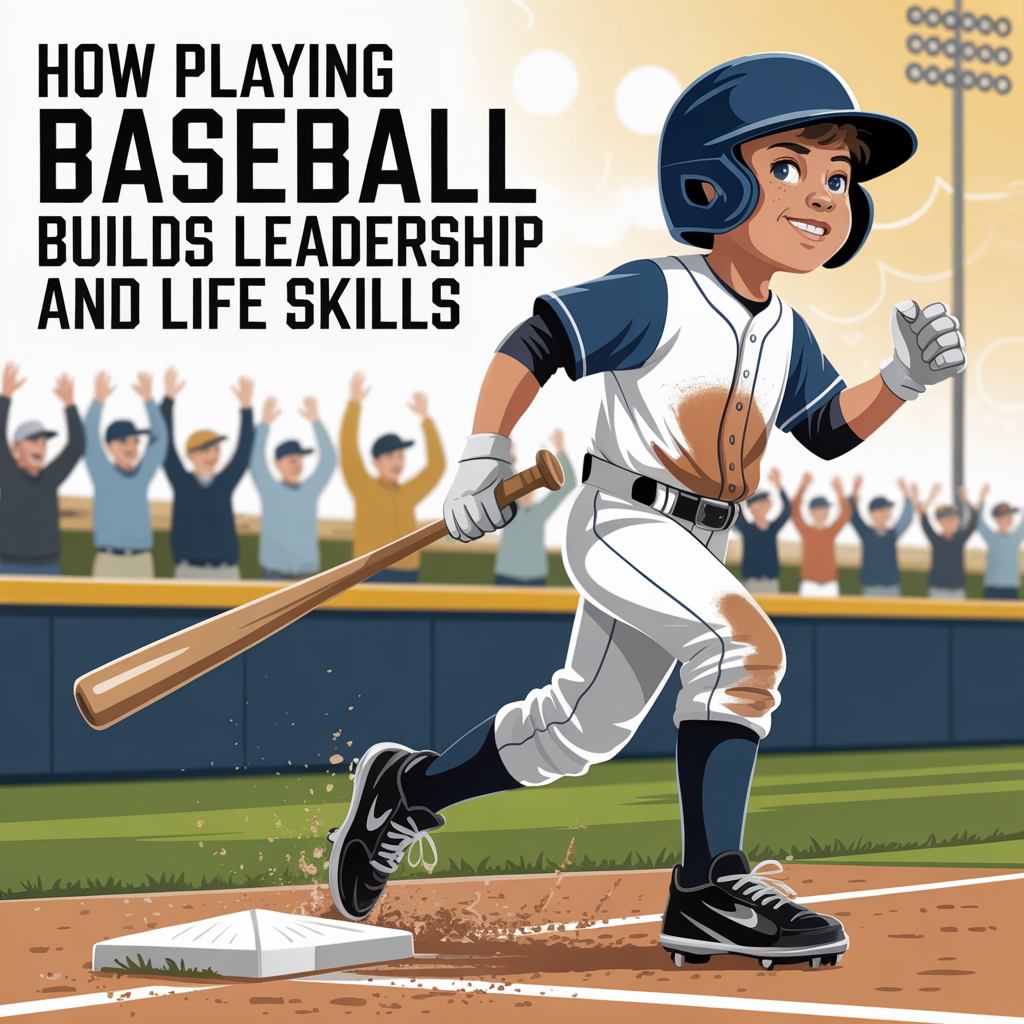
    How Playing Baseball Builds Leadership and Life Skills

    Baseball is more than just a sport—it’s a unique arena where individual determination and teamwork intersect. From the early morning practices to the final inning of a long game, players face countless situations that demand focus, resilience, and collaboration. These experiences don’t just shape athletes on the field; they prepare them for challenges in life, giving rise to strong leadership qualities and essential personal growth.

    From the Diamond to Life: Lessons Beyond the Game

    The baseball diamond is a classroom for life lessons that extend far beyond athletic performance. Every pitch, swing, and catch carries the weight of decision-making under pressure, teaching players how to stay calm and think strategically when the stakes are high. Whether you’re at bat or covering the outfield, the need for communication, accountability, and adaptability is paramount. These skills easily transfer to school, work, and relationships, creating a foundation for success in any setting.

    Moreover, baseball demands patience and perseverance—traits that mirror real-world challenges. Strikeouts, errors, and tough losses are inevitable, yet players learn to see them as opportunities to grow rather than as failures. This resilience builds emotional intelligence and mental toughness, preparing them to face obstacles with confidence. Ultimately, the game mirrors life’s unpredictability and teaches that persistence, practice, and a positive attitude are key to achieving one’s goals.

    How Baseball Shapes Leaders On and Off the Field

    Leadership in baseball doesn’t only come from the team captain or coach; it develops naturally in every player who chooses to take responsibility. Communication is critical, and even small gestures—like calling for a pop fly or encouraging a teammate—help players understand the power of trust and teamwork. These moments solidify a sense of accountability, showing that leadership means guiding not just through authority, but through example and mutual respect.

    Off the field, those same leadership qualities translate into everyday life. The ability to motivate others, manage pressure, and maintain discipline becomes essential in both personal and professional environments. Baseball players often grow into adults who can collaborate effectively, make quick yet thoughtful decisions, and inspire others to reach their best potential. In essence, the qualities honed on the diamond become the foundation for leading with integrity and compassion in the broader world.

    Baseball’s influence stretches far beyond home plate. It is a sport that builds not only athletes, but also resilient, forward-thinking individuals capable of leading with empathy and strength. Through teamwork, discipline, and perseverance, baseball teaches players how to navigate both victories and losses with grace. The lessons learned from the game ultimately remind us that leadership starts with passion, grows with effort, and endures with character—on the field and in life. The Orlando Cepeda Foundation

  • How Sports Improve Student Focus & Academic Success

    How Sports Build Focus and Boost Academic Success

    Balancing academics and sports has long been seen as a challenge for students, but research and real-life experiences consistently show that athletic participation can sharpen focus, discipline, and mental resilience. Far from being just a way to build physical strength, sports are also powerful tools in developing concentration and structured thinking—core skills that directly translate into academic success. This synergy between the playing field and the classroom is becoming increasingly recognized as a key factor in helping students thrive holistically.

    Real Stories: How Student-Athletes Excel Academically

    Student-athletes regularly report that the habits they learn on the field—such as time management, persistence, and mental clarity—carry over into their studies. For example, in a recent survey from one of our programs, 78% of participants noted improved concentration in class within three months of starting regular training. One student shared that sports gave them the discipline to structure their daily routine, resulting in higher grades and more consistent study habits. These personal stories highlight how the focus developed during practice sessions is not limited to athletics but extends to exam preparation, problem-solving, and project work.

    In fact, teachers and parents alike see the difference. Students who engage in structured sports programs often become more goal-oriented and resilient in the face of academic challenges. The discipline of training several times a week teaches them how to prioritize responsibilities and manage stress. Rather than feeling drained, many find that exercise increases their mental energy, allowing them to participate more fully in lessons and retain what they learn. This creates a real-life proof point that athletic involvement can serve as an academic advantage rather than a distraction.

    Supporting Your Child’s Journey in Sports and Studies

    Parents play a pivotal role in helping student-athletes strike a balance between academic and athletic demands. Encouragement, combined with gentle guidance, helps students avoid burnout while building sustainable routines. One effective approach is to set consistent study times around training schedules, ensuring that schoolwork isn’t left until the last minute. Celebrating both academic and athletic achievements equally also reinforces the idea that success in one area supports success in the other.

    Practical support is equally important. Providing healthy meals, ensuring children get enough sleep, and fostering open communication about challenges can help them manage both worlds more effectively. Parents can also collaborate with coaches and teachers to create a supportive environment tailored to their child’s needs. By keeping realistic expectations and maintaining a balance between encouragement and understanding, parents can help their children enjoy the benefits of sports while still excelling academically.

    Sports are not just about winning games—they are about building life skills that extend far beyond the field. By promoting focus, resilience, and discipline, athletics serve as a training ground for academic success. For student-athletes, the lessons of commitment and goal-setting carry through to the classroom, empowering them to achieve stronger results while maintaining balance. When families, schools, and sports programs work together, students develop the tools they need to thrive both academically and personally. The power of focus developed through sports truly becomes a cornerstone for lifelong success. The Orlando Cepeda Foundation

  • How Baseball Builds Leadership & Life Skills for Youth

    building leaders through baseball and life lessons

    Baseball has long been known as America’s pastime, but beyond the bat, ball, and glove, it is also a powerful classroom for life. The lessons learned on the diamond extend far beyond the game itself, shaping young athletes into leaders who carry these skills into school, work, and their communities. Playing baseball is not only about winning runs; it is about building character and developing the confidence and resilience necessary to succeed in life.

    From the Field to the Future: How Baseball Shapes Leaders

    On the field, every play requires teamwork, communication, and trust. A shortstop must signal to the second baseman, an outfielder must call for a fly ball, and a pitcher has to exude confidence even under pressure. These moments demand accountability and teach players how to take responsibility for their roles—an essential characteristic of an effective leader. Coaches often emphasize discipline and preparation, reinforcing habits young athletes can apply in their academic and personal lives.

    More importantly, baseball also teaches leadership through adversity. A player who strikes out has two choices: hang their head or shake it off and prepare for the next opportunity. This resilience nurtures perseverance, a trait that carries over into facing life’s challenges. By learning how to balance success with failure on the field, young athletes build a mindset that prepares them for leadership beyond sports, equipping them to inspire and guide others in real-world situations.

    Real Stories of Youth Growing Through the Game

    A shy teenager found his voice through baseball. Initially hesitant to speak up, he grew into a team captain, learning how to communicate with both peers and coaches. The leadership qualities he discovered on the diamond later helped him lead a student group at school, showing how skills gained on the field can positively influence other areas of life. His story is just one example of how the game creates opportunities for personal growth.

    Another young player learned that leadership is not just about standing in the spotlight, but also about lifting others up. As a catcher, he became the backbone of his team—encouraging pitchers when they struggled and guiding infielders during pressure situations. That same supportive nature translated into his volunteer work, where he now mentors younger children in his community. These real-life stories highlight how baseball is more than just a game—it is a tool for shaping future leaders who understand responsibility, teamwork, and empathy.

    From the lessons of persistence after a strikeout to the confidence gained when motivating teammates, baseball fosters leadership in ways that extend far beyond the playing field. The sport equips young people with skills that become invaluable in classrooms, workplaces, and relationships. The stories of these youth remind us that while not every player will go on to be a professional athlete, the leadership and life lessons they carry forward will always make them winners. The Orlando Cepeda Foundation

  • The Giant’s Journey: Orlando Cepeda’s Hall of Fame Legacy

    Orlando Cepeda's Hall of Fame Legacy

    When Orlando Cepeda walked onto the stage at Cooperstown in 1999, his long-awaited Hall of Fame induction represented more than personal achievement—it was validation of a career that bridged cultures and defined an era of baseball excellence.

    From Ponce to the Promised Land

    Cepeda’s path to immortality began in the sugar cane fields of Puerto Rico, where his father Pedro “Perucho” Cepeda was already a baseball legend in his own right. Born in 1937, Orlando inherited not just his father’s love for the game, but also the burden of living up to a towering legacy. When he signed with the New York Giants in 1955, he carried the hopes of an entire island on his shoulders.

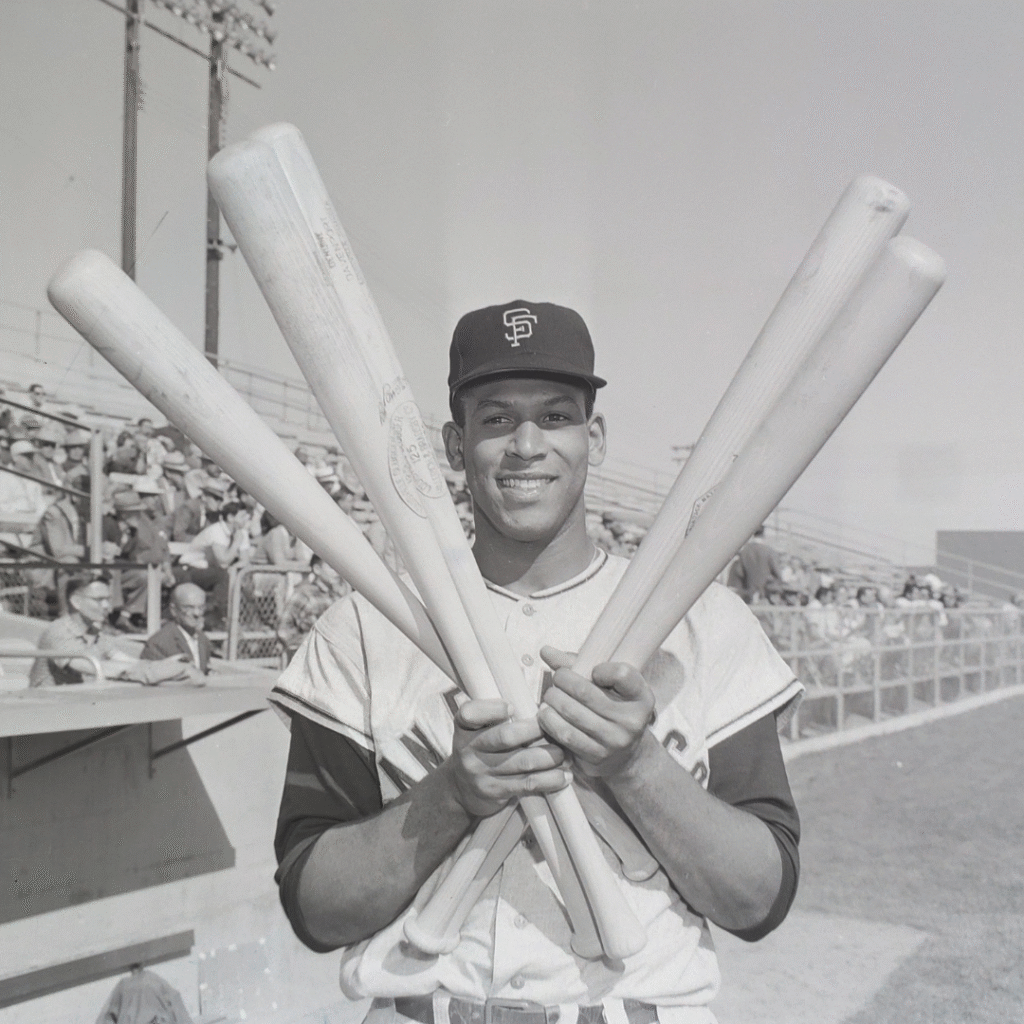
    His arrival in San Francisco coincided with the Giants’ historic move west in 1958. That rookie season, Cepeda didn’t just adapt to Major League pitching—he dominated it. His 25 home runs and 96 RBIs earned him National League Rookie of the Year honors, announcing the arrival of a new power threat in the heart of the Giants’ lineup.

    The Sweet Swing That Defined a Decade

    Throughout the 1960s, Cepeda’s bat became the soundtrack of Candlestick Park. His smooth, powerful swing produced seven seasons with 20 or more home runs and drove in over 100 runs four times. The numbers tell only part of the story—his 1967 MVP season with the St. Louis Cardinals, where he hit .325 with 25 homers and 111 RBIs, helped propel the Cardinals to a World Series championship.

    But Cepeda’s influence extended beyond statistics. He was among the first wave of Latino superstars who transformed Major League Baseball’s cultural landscape, paving the way for future generations while maintaining deep connections to his Puerto Rican roots.

    A Bittersweet Recognition

    The Hall of Fame induction ceremony on July 25, 1999, carried special weight because of its timing. Cepeda had waited decades for recognition, his candidacy complicated by late-career struggles and off-field issues. When the Veterans Committee finally voted him in, it felt like justice delayed but not denied.

    Standing before the crowd in Cooperstown, Cepeda spoke in both English and Spanish, addressing fans who had traveled from Puerto Rico to witness history. His voice cracked with emotion as he thanked his late father, whose own Hall of Fame-worthy career in Puerto Rican baseball had inspired his son’s journey to the majors.

    The ceremony featured fellow Giants legends Willie Mays and Willie McCovey, creating a reunion of the franchise’s golden era. Commissioner Bud Selig spoke of Cepeda’s role in baseball’s international expansion, while Puerto Rican officials declared it a day of national pride.

    More Than Bronze and Memory

    Cepeda’s Hall of Fame plaque captures his career achievements: 379 home runs, 1,365 RBIs, and a .297 batting average across 17 seasons. But his true legacy lies in the doors he opened and the barriers he broke. As one of baseball’s first Latino superstars, he proved that excellence transcends language and borders.

    In Puerto Rico, Cepeda remains “El Gigante de Carolina”—the Giant from Carolina. Youth leagues bear his name, and his number 30 waves from stadium flagpoles across the island. His success provided a blueprint for Latin American players who followed, from Roberto Alomar to Edgar Martinez to today’s stars like Francisco Lindor.

    The induction also represented redemption for a player whose career had been overshadowed by personal struggles. His openness about his mistakes and his work with youth baseball programs showed that Hall of Fame character can develop long after the final at-bat.

    The Enduring Giant

    Orlando Cepeda’s Hall of Fame induction wasn’t just the culmination of a great career—it was recognition of baseball’s evolution into a truly global game. His journey from the ballparks of Puerto Rico to the hallowed halls of Cooperstown embodies the American Dream while honoring his Caribbean heritage.

    Today, as Latin American players comprise nearly 30% of Major League rosters, Cepeda’s pioneering role becomes even more significant. He helped transform baseball from America’s pastime into the world’s game, one swing at a time. His bronze plaque in Cooperstown serves as a permanent reminder that greatness knows no boundaries, and that the most meaningful victories are often won not just for yourself, but for everyone who shares your dream. The Orlando Cepeda Foundation

  • Orlando Cepeda’s Remarkable Journey To The US

    From Ponce, Puerto Rico to the Hall of Fame

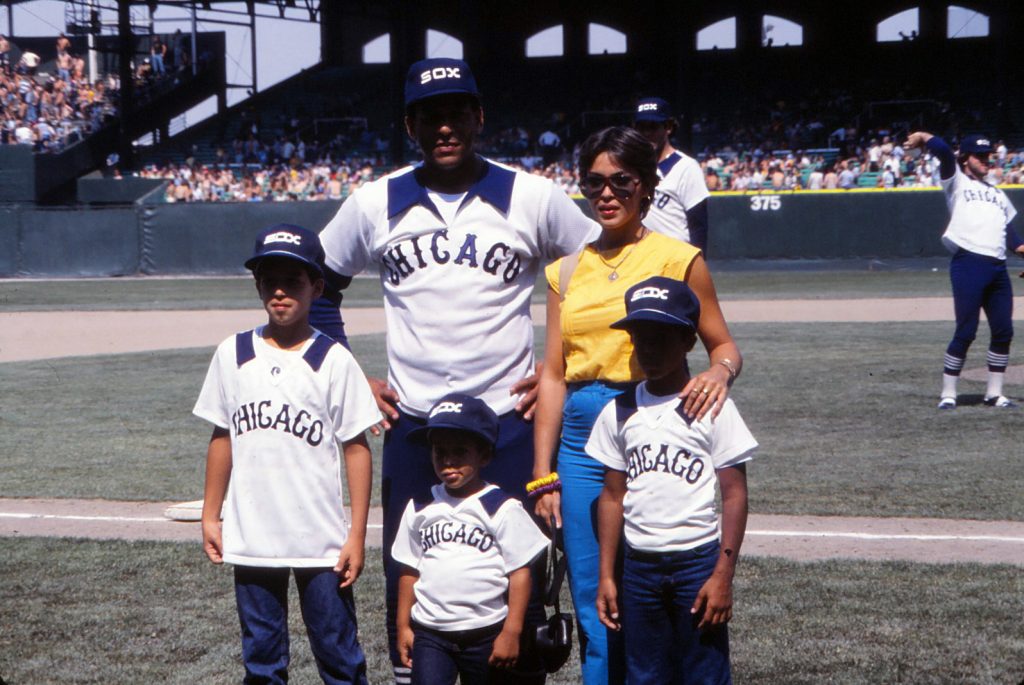
    Orlando Cepeda family

    The story of Orlando Cepeda reads like a classic American dream with a distinctly Caribbean flavor. Born in 1937 in Ponce, Puerto Rico, Cepeda inherited his baseball DNA from his father Pedro, a respected professional player who planted the seeds of greatness in his son’s young mind. What began as childhood games in Puerto Rican sandlots would eventually blossom into one of baseball’s most inspiring success stories.

    At just 17 years old, Cepeda faced a life-altering decision when the San Francisco Giants offered him a contract in 1955. Leaving behind the familiar warmth of Puerto Rico for the uncertain prospects of professional baseball required courage that few teenagers possess. The cultural and linguistic barriers awaiting him in the United States would have intimidated many, but Cepeda’s unwavering determination proved stronger than any obstacle.

    His arrival in Major League Baseball three years later was nothing short of spectacular. The 1958 National League Rookie of the Year award was just the beginning of what would become a legendary career. Cepeda’s combination of raw power and defensive excellence at first base captivated fans and established him as one of the game’s premier players. His crowning achievement came in 1967 when he claimed the National League MVP award while wearing a St. Louis Cardinals uniform.

    Beyond the statistics and accolades, Cepeda’s story represents something much larger than individual success. He became a cultural ambassador, demonstrating that excellence transcends geographical boundaries and ethnic backgrounds. His achievements opened doors for countless Latino players who followed, while his dignified presence helped change perceptions about international talent in American sports.

    Today, Orlando Cepeda’s legacy extends far beyond his Hall of Fame credentials. His journey from a small Puerto Rican city to baseball immortality proves that dreams backed by talent and determination can overcome any challenge. For young athletes across Latin America and beyond, Cepeda’s story remains a beacon of possibility, showing that greatness can emerge from the most humble beginnings. The Orlando Cepeda Foundation